




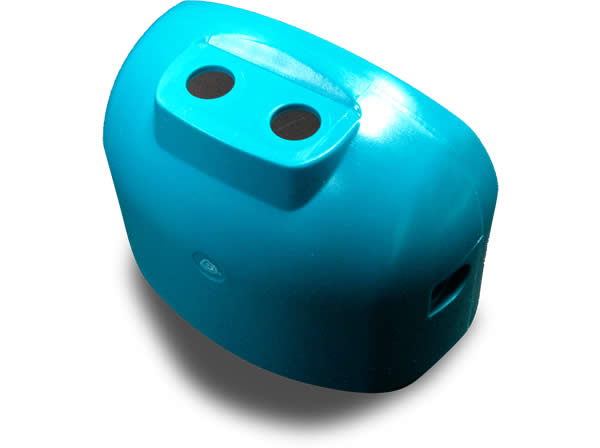
Why Acetal Remains a Go-To Engineering Plastic
Material choice plays a decisive role in the performance, lifespan and commercial success of injection-moulded components.
At Stephens Plastic Mouldings, acetal (also known as POM or Delrin®) is widely specified for applications requiring high strength, low friction, dimensional stability and long-term durability. Its unique balance of mechanical performance and processability makes it one of the most reliable engineering plastics for precision components.
For manufacturers seeking durable plastic parts that maintain accuracy under load and repeated movement, acetal remains a proven solution.
What Is Acetal (POM) and Why Is It Used in Manufacturing?
Acetal is a high-performance thermoplastic engineered for demanding applications.
Key material properties include:
- High stiffness and strength.
- Excellent wear resistance.
- Low coefficient of friction.
- Outstanding dimensional stability.
- Low moisture absorption.
- Good chemical resistance.
- Electrical insulation properties.
These characteristics make acetal particularly suitable for moving components, precision parts and applications where metal replacement is desirable.
Why Acetal Delivers Superior Durability in Injection-Moulded Parts
Durability in plastic components is driven by resistance to wear, fatigue and environmental exposure.
Acetal performs exceptionally well because:
- It maintains shape and tolerances under mechanical stress.
- It resists creep and deformation over time.
- It performs reliably in friction-heavy environments.
- It withstands repeated movement without surface breakdown.
For components such as gears, bearings, bushings, housings and precision mechanisms, acetal offers long service life with minimal maintenance.
Cost Efficiency: How Acetal Reduces Total Manufacturing Spend
While acetal is an engineering-grade material, it often delivers lower total cost of ownership than cheaper plastics.
This is achieved through:
- Faster, more stable moulding cycles.
- Reduced scrap and rework.
- Minimal post-processing.
- Long part lifespan reducing replacements.
- Lower maintenance requirements.
At Stephens Plastic Mouldings, we frequently recommend acetal when durability and dimensional stability outweigh the short-term savings of lower-grade polymers.
Acetal vs Other Engineering Plastics
Compared with alternatives such as nylon, ABS or polypropylene, acetal offers:
- Better dimensional stability than nylon.
- Lower moisture absorption than many engineering plastics.
- Higher wear resistance than ABS.
- Improved strength-to-weight ratio in precision applications.
This makes acetal ideal where tight tolerances, smooth movement and repeatable performance are critical.
Common Applications for Acetal Injection Moulding
Acetal is widely used across multiple industries, including:
- Automotive components and mechanisms.
- Medical and healthcare devices.
- Industrial machinery parts.
- Food-processing equipment.
- Electrical and electronic housings.
- Consumer products with moving elements.
Its versatility allows it to meet both functional and regulatory requirements when specified correctly.
Sustainability and Lifecycle Performance
Sustainability in manufacturing increasingly focuses on durability and lifecycle efficiency.
Acetal contributes by:
- Reducing part failure and replacement frequency.
- Supporting long service life.
- Minimising waste through stable processing.
- Being recyclable in appropriate applications.
Long-lasting components are inherently more sustainable than those requiring frequent replacement.
Why Choose Stephens Plastic Mouldings for Acetal Components?
Effective acetal injection moulding requires experience in tooling, processing and material behaviour.
Customers choose Stephens Plastic Mouldings because we offer:
- UK-based injection moulding.
- Engineering-led material selection.
- Precision tooling and process control.
- Low-volume through to scalable production.
- Consistent quality and traceability.
We help customers specify acetal correctly and manufacture components that perform reliably in real-world conditions.
FAQs: Acetal Injection Moulding UK
1. Is acetal suitable for precision injection-moulded components?
Yes. Acetal is ideal for precision parts due to its stiffness, dimensional stability and low friction properties.
2. How does acetal compare to nylon for injection moulding?
Acetal offers lower moisture absorption, better dimensional stability and smoother wear characteristics than nylon in many applications.
3. Is acetal a cost-effective material for manufacturing?
While acetal is an engineering plastic, its durability, process stability and long lifespan often result in lower total manufacturing costs.
4. Can acetal be used in food or medical applications?
Yes. Specific grades of acetal are suitable for food-contact and medical applications, subject to regulatory requirements.
5. Does Stephens Plastic Mouldings offer acetal injection moulding in the UK?
Yes. We provide UK-based acetal injection moulding, supporting prototype, low-volume and full production requirements.
Final Perspective: Acetal as a Strategic Material Choice
Acetal is not just a durable plastic. It is a strategic engineering material that supports performance, efficiency and long-term value.
When specified and moulded correctly, acetal enables manufacturers to:
- Improve product reliability.
- Maintain tight tolerances.
- Reduce maintenance and replacement costs.
- Deliver consistent performance over time.
If you’re considering acetal injection moulding for your next project and want expert guidance on material selection, tooling and production, our team is ready to help.
Contact Stephens Plastic Mouldings today
To discuss your acetal component requirements or request a tailored quote.
Email: sales@stephensplasticmouldings.co.uk
Call: 0121 544 5808