



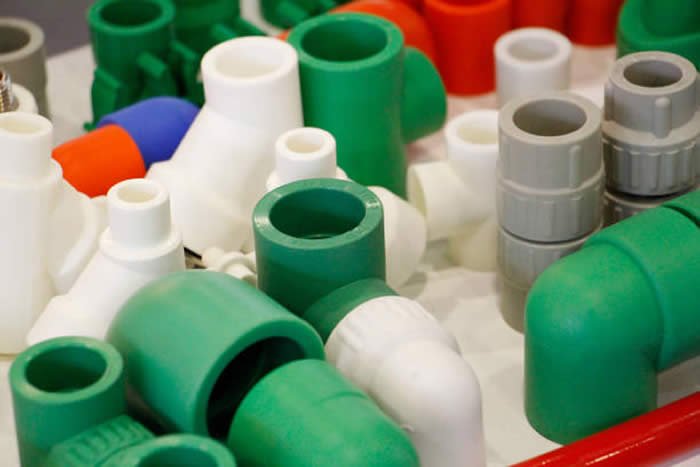
Material selection is one of the most important decisions in any injection moulding project.
The right polymer determines:
- Product performance.
- Durability and lifespan.
- Manufacturing efficiency.
- Cost per unit.
- Suitability for the operating environment.
Different plastics offer different mechanical, thermal and chemical properties, meaning there is no one-size-fits-all solution.
At Stephens Plastic Mouldings, we guide customers through material selection to ensure each component is engineered for both performance and commercial viability.
Why Material Selection Matters in Injection Moulding
Injection moulding is a highly precise manufacturing process, but the final outcome depends heavily on the material used.
Choosing the correct plastic ensures:
- Structural integrity under load.
- Resistance to environmental factors.
- Consistent production results.
- Long-term reliability.
Incorrect material selection can lead to product failure, increased costs and production inefficiencies.
The Most Common Plastics Used in Injection Moulding
1. Acetal (POM)
Acetal is a high-performance engineering plastic known for its strength and stability.
Key Benefits:
- Excellent mechanical strength.
- High dimensional stability.
- Resistance to temperature variation.
- Low friction properties.
Typical Applications:
- Automotive components.
- Mechanical parts.
- Precision engineering products.
Acetal is often chosen where durability and precision are critical.
2. Nylon (Polyamide)
Nylon is widely used due to its strength and versatility.
Key Benefits:
- High tensile strength.
- Excellent wear resistance.
- Good heat resistance.
- Strong performance under mechanical stress.
Typical Applications:
- Industrial components.
- Automotive parts.
- Structural elements.
Glass-filled nylon variants provide even greater strength for demanding applications.
3. Polypropylene (PP)
Polypropylene is one of the most commonly used plastics in injection moulding due to its balance of cost and performance.
Key Benefits:
- Lightweight and flexible.
- Excellent chemical resistance.
- High fatigue resistance.
- Cost-effective for large volumes.
Typical Applications:
- Packaging.
- Consumer products.
- Automotive components.
- Medical and laboratory items.
Polypropylene is ideal for projects requiring durability at a competitive cost.
4. Engineering Thermoplastics (Advanced Materials)
Beyond standard polymers, engineering plastics are used where higher performance is required.
These materials offer:
- Increased heat resistance.
- Enhanced mechanical strength.
- Improved chemical resistance.
- Greater durability in demanding environments.
They are often used in sectors such as aerospace, automotive and medical manufacturing.
How to Choose the Best Plastic for Your Project
Selecting the right material requires a structured approach.
1. Define the Application
Consider how the component will be used:
- Will it be load-bearing?
- Will it be exposed to chemicals or heat?
- Does it require flexibility or rigidity?
2. Evaluate Performance Requirements
Key factors include:
- Strength and durability.
- Heat resistance.
- Chemical resistance.
- Surface finish.
3. Consider Production Volume
Material choice impacts cost, particularly at scale.
For high-volume production:
- Cost-effective materials like polypropylene are often preferred.
- Engineering plastics may be used where performance justifies cost.
4. Factor in Environmental Conditions
Components may be exposed to:
- Temperature changes.
- Moisture.
- UV exposure.
- Mechanical wear.
Material selection must account for these conditions to ensure long-term reliability.
5. Align with Budget and Commercial Goals
Material cost directly impacts:
- Unit price.
- Tooling strategy.
- Overall return on investment.
Balancing performance and cost is essential.
Multi-Material and Advanced Moulding Options
In some applications, a single material may not deliver all required properties.
Injection moulding supports advanced processes such as:
- Overmoulding (combining rigid and soft materials).
- Multi-shot moulding.
- Co-injection processes.
These allow manufacturers to combine materials for improved performance and functionality.
Stephens Plastic Mouldings: Material Expertise You Can Rely On
At Stephens Plastic Mouldings, material selection is guided by engineering, not assumption.
Our approach includes:
- Detailed application analysis
- Design for manufacture (DFM) input.
- Material performance matching.
- Cost optimisation.
- ISO 9001 controlled production.
We ensure every material choice supports both technical performance and commercial success.
Why Choose a UK Injection Moulding Partner?
Working with a UK-based manufacturer provides:
- Faster decision-making and communication.
- Reduced supply chain risk.
- Greater production oversight.
- Access to experienced engineering support.
Stephens Plastic Mouldings delivers UK-based manufacturing backed by modern equipment and proven processes.
FAQs
1. What is the best plastic for injection moulding?
The best plastic depends on your application. Common options include polypropylene for cost efficiency, nylon for strength and acetal for precision components.
2. Which plastic is most cost-effective for injection moulding?
Polypropylene is one of the most cost-effective materials, particularly for high-volume production.
3. What plastic is best for high-strength applications?
Nylon and glass-filled engineering plastics are commonly used for high-strength and load-bearing components.
4. Can different plastics be combined in injection moulding?
Yes. Processes such as overmoulding and multi-shot moulding allow multiple materials to be used in a single component.
5. Do you help select the right material for injection moulding projects?
Yes. Stephens Plastic Mouldings provides expert guidance to ensure the correct material is selected based on performance, environment and budget.
Final Insight: The Right Material Drives the Right Outcome
The success of any injection moulding project is determined as much by material selection as it is by tooling and process control.
Choosing the right plastic ensures:
- Product reliability.
- Manufacturing efficiency.
- Cost control.
- Long-term performance.
When these factors align, injection moulding delivers unmatched scalability and performance.
At Stephens Plastic Mouldings, we combine material expertise with precision manufacturing to deliver components that perform consistently at scale.
If you need guidance on selecting the best plastic for your injection moulding project, our technical team is ready to help.
Contact Stephens Plastic Mouldings Today to discuss your requirements OR request a tailored quotation.
Email: sales@stephensplasticmouldings.co.uk
Call: 0121 544 5808